The holiday season is where a physical store's year is won or lost. And the stakes keep rising. Last year, U.S. holiday sales crossed $1 trillion for the first time, with sales growing 4.1% over the prior year, according to the National Retail Federation. That is a lot of spending up for grabs.
But here is the catch for 2026: the shoppers are out there, they are just harder to win. Traffic is softer and more selective than it was a few years ago, and the modern holiday visit is quick and value-driven. If you want your share of that trillion-dollar season, hoping for a crowd is not a plan. Preparing your store with real data is. Here is how to do it, starting now.
The 2026 holiday shopper, by the numbers
Before you build a plan, it helps to know who is actually walking in. A recent analysis from Placer.ai (August 2026) paints a clear picture of the 2026 brick-and-mortar shopper, and it changes how you should prepare.
Three findings stand out:
- Trips are short and focused. The vast majority of retail visits now last under 30 minutes, and visits under 15 minutes are the single largest group. Shoppers arrive on a mission, not to browse for an hour.
- Retail is intensely local. Nearly 60% of store visits originate within five miles, and about 44% come from within three. Your holiday customer is very likely your neighbor.
- Value and experience win. The fastest-growing chains are the ones offering a compelling reason to show up, whether that is a great price or something worth the trip.
Put those together and the holiday math is unforgiving. You have a short window with each shopper, most of them live nearby, and they came in ready to act. The store that is organized, staffed, and easy to buy from wins. The one that makes people wait loses them to the shop down the road.
Why "just hope for more traffic" is a losing plan
Every holiday season, the instinct is the same: pour money into ads, get more bodies through the door, and trust that sales will follow. The trouble is that more traffic does not fix a store that cannot convert it.
The evidence is blunt. Retailers are mis-staffed roughly 86% of the time, either paying for idle hours or leaving the floor thin exactly when shoppers need help. During a holiday rush, thin coverage is expensive: people wait, give up, and walk out. A 10-point drop in conversion can quietly cost a single store $5,000 to $7,000 a month, and the holidays are when your volume, and that leak, peak.
The wider backdrop is encouraging, which only raises the stakes. For 2026, the NRF projects retail sales will grow 4.4% to $5.6 trillion and expects consumer resilience to continue, with household spending once again a pillar of the economy. Translation: shoppers will spend, but they are choosier about where. A great in-store experience is your edge, and guessing your way through December throws it away. If you want the fuller case for why the number after the door matters more than the number at it, our guide on why conversion rate matters more than foot traffic lays it out.
Start with your own traffic curve, not last year's guesswork
The single most useful thing you can do before the rush is map your store's real hourly traffic pattern. Not the mall's, not the industry average, yours.
Pull at least four weeks of foot-traffic data and look at the shape of an average day, hour by hour, rather than the daily total. Then extend that view into the season. Holiday peaks do not sit where your everyday peaks do. Weekends balloon, evenings stretch later, and the days around big promotions and the final pre-Christmas week behave nothing like a normal Tuesday.
Once you can see the curve, you can plan against it instead of reacting to it. If you have never done this from scratch, our complete guide to foot-traffic analytics walks through how to read these patterns. The goal is simple: know your busiest hours before they arrive, not after you have already lost sales in them.
Staff to the peak, and lock in seasonal hires early
Once you know when your shoppers actually show up, schedule to that curve rather than to the clock. Bring people in ahead of the rush so the floor is fully covered before traffic peaks, then taper as it settles. The same labor budget, staggered to match demand, almost always lifts sales more than a flat schedule does. Our playbook on retail peak-hour staffing breaks down the step-by-step version.
Timing your seasonal hiring matters just as much. Seasonal talent is one of the tightest, most competitive labor pools of the year, and the strongest candidates are gone by the time the December scramble begins. The retailers who staff up smoothly are the ones hiring in September and October, giving new associates time to learn the floor before it fills up.
A few moves pay off before the season lands:
- Hire against your curve, not a headcount target. Use your peak hours to decide how many seasonal staff you need and when they should work.
- Train early. A new hire who learns the floor in October is an asset in December. One who starts cold on your busiest Saturday is a liability.
- Protect your best hours. Concentrate your strongest associates on the windows where the most sales are decided.
For more quick wins you can apply this month, see our guide to retail staffing optimization.
Protect conversion when the store is full
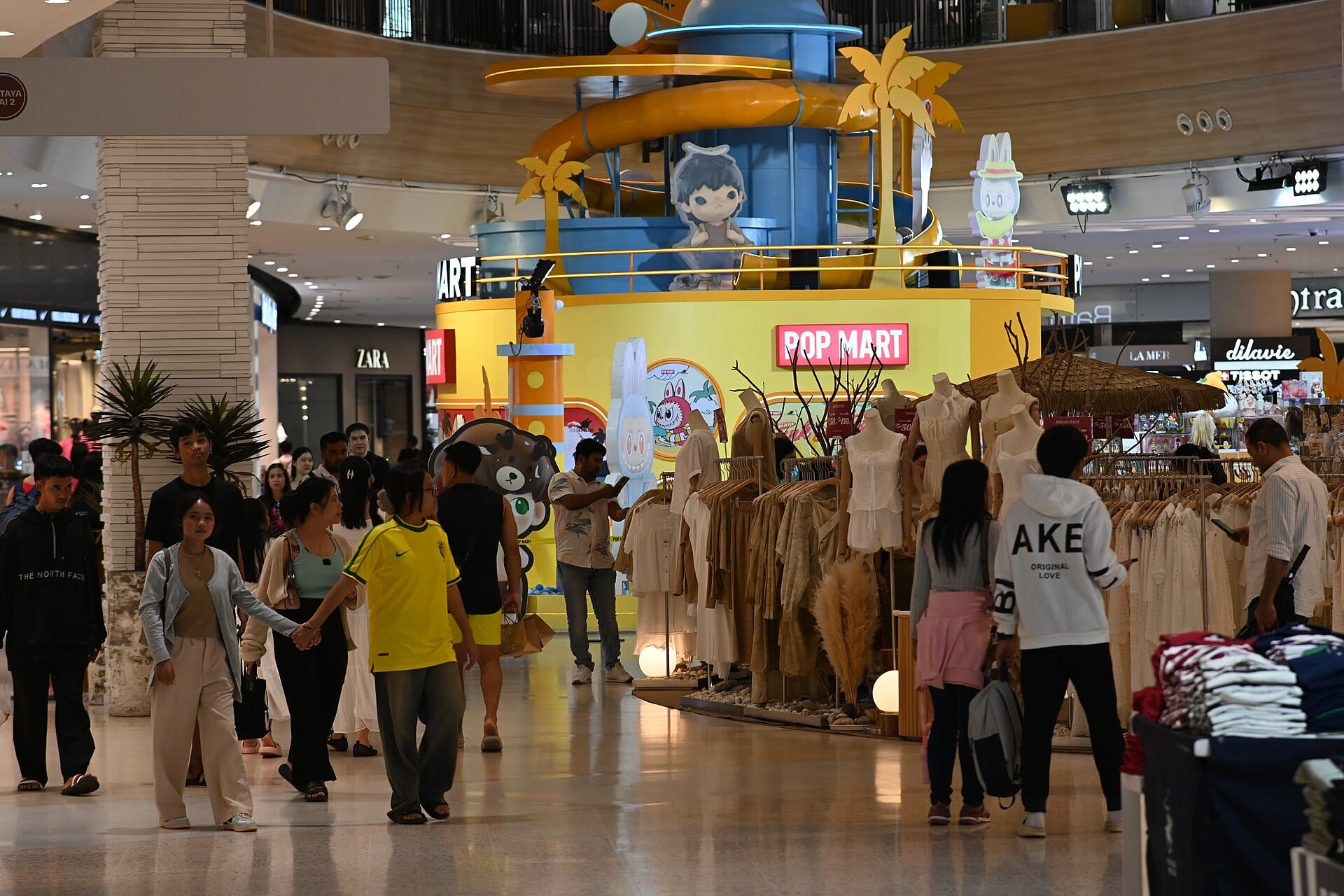
A packed store feels like success. But a crowd only helps if it turns into sales. During peak periods, conversion is fragile: aisles clog, fitting rooms back up, checkout lines grow, and shoppers who came in ready to buy quietly leave empty-handed.
This is where capture rate and conversion become your scoreboard. Capture rate is the share of passersby you pull inside; conversion is the share of visitors who buy. When holiday traffic is soft outside, your ability to convert the people who do come in matters more, not less. If foot traffic dips 10% but you lift conversion a few points, you can still grow the season. Our piece on retail capture rate shows how to pull that lever.
Watch for the telltale sign of a coverage problem: traffic holds steady during a given hour, but conversion sags. That gap is almost always understaffing at the moment shoppers needed help, and it is the exact revenue leak hiding in your conversion rate. In a normal month it stings. In December it compounds.
Make every checkout count
Remember that the 2026 shopper is quick and local. A visit under 15 minutes leaves almost no room for friction at the finish line. If checkout is slow, the last impression of your store, right as someone is holding their wallet, is a line.
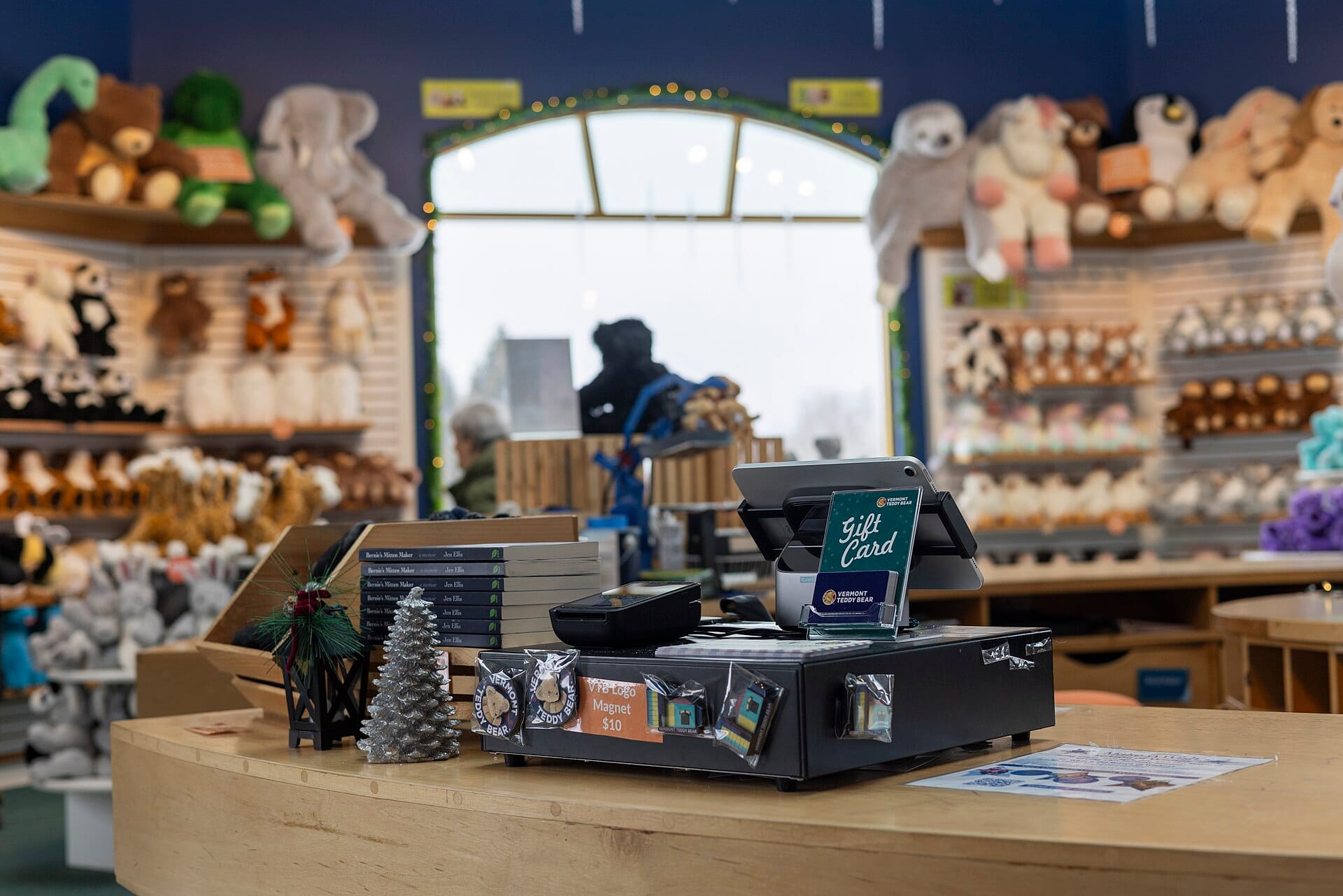
Preparing the buying moment is as important as preparing the sales floor:
- Add checkout capacity for your peak windows. Your traffic curve tells you exactly which hours need a second or third register open.
- Have gift cards, gift receipts, and wrapping ready. These are holiday-specific and easy to forget until a customer asks.
- Keep an associate near the door and the line. A quick answer or a second register opening can save a sale that was seconds from walking.
None of this requires a bigger budget. It requires knowing when the pressure hits so you can meet it.
How foot-traffic data turns a good plan into a repeatable one
Everything above depends on one thing: an accurate, hour-by-hour count of who walks through your door, and whether they buy. Manual clicker counts are inconsistent, and your POS only shows the people who already purchased, not the ones who left.
That is the gap Dor fills. It is a peel-and-stick thermal sensor that installs in minutes with no wires, no Wi-Fi, and no IT involvement. It counts visitors with camera-level accuracy while capturing zero personal data, so there is nothing to slow down deployment during your busiest season. Connect your POS and you can see traffic and conversion by hour across every location, which is exactly the view this holiday plan runs on. More than 2,000 stores already use it to schedule and staff with confidence, and because the sensor ships in days and installs in minutes, there is still time to have it live before peak season.
The payoff is not just a smoother December. It is a plan you can measure and reuse. After you adjust staffing or checkout coverage, watch conversion during the hours you reinforced. If it rises, the move worked. If it does not, you learned something cheap and can adjust again, this season and next.
Your holiday season starts now
The trillion-dollar holiday season rewards the stores that prepared and punishes the ones that improvised. In a year when shoppers are cautious, quick, and close to home, your advantage is a store that is staffed for the peak, easy to move through, and fast to buy from. All of that starts with seeing your real traffic, well before the rush.
If you want to know what your store's holiday curve actually looks like, there is still time to get set up. Book a demo to see how Dor tracks foot traffic and conversion, or explore pricing and be counting shoppers before the season peaks. You can also see how it fits your store on our retail solutions page.
Sources
- National Retail Federation, Winter Holidays Data and Trends (2025 holiday sales grew 4.1% to over $1 trillion)
- National Retail Federation, "NRF Forecasts 4.4% Annual Retail Sales Growth" (2026 outlook: $5.6 trillion)
- Placer.ai, "The 2026 Retail Consumer in Five Charts" (Aug 26, 2026)
- Dor, "Why Conversion Rate Matters More Than Foot Traffic"
- Dor, "Retail Peak Hour Staffing: Match Schedules to Traffic"