Picture your busiest Saturday. The store is packed, the line is out the door, your team is slammed. It feels like a win. It might be your worst-performing day of the week.
Here is the uncomfortable truth: a crowded store is not the same as a converting store. When you only watch sales totals, a busy day always looks good, because more people buying always beats fewer people buying. But that number hides the one that actually tells you how your store is doing: how many of the people who walked in actually bought something.
The busy-day illusion
On a slow Tuesday, your staff can greet everyone, answer questions, and walk shoppers to the fitting room. Conversion is high because service is high. On a packed Saturday, the same team is stretched thin. Shoppers wait, get ignored, hit a long checkout line, and leave. Traffic is up. Conversion quietly craters.
You still book more sales on Saturday, so nobody sounds the alarm. But the gap between what you made and what you could have made is widest exactly when the store is fullest. Your best opportunity of the week is also your biggest leak.
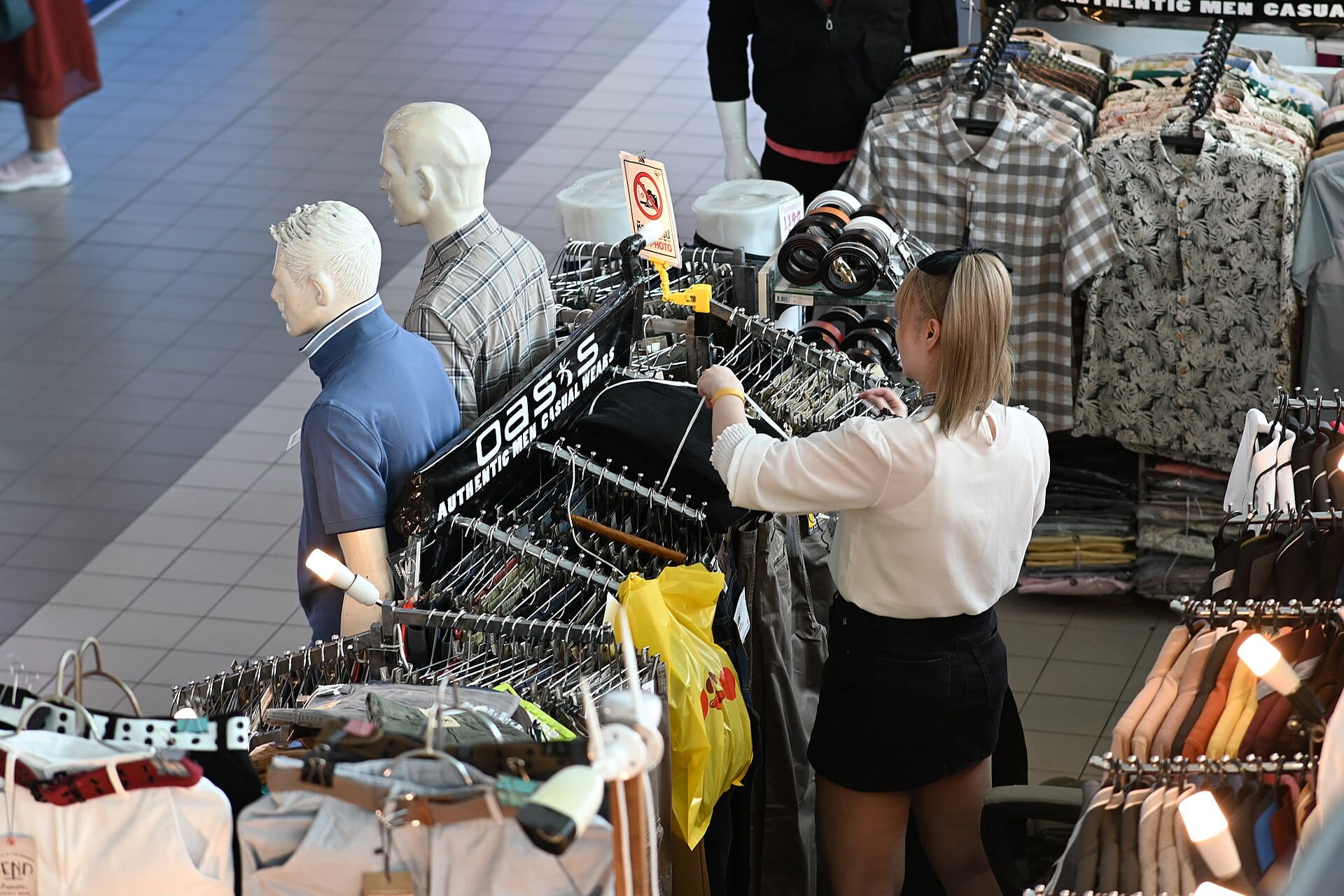
What is really happening at your peak
Shoppers in 2026 have zero patience. According to location-analytics firm Placer.ai, the vast majority of retail visits now last under 30 minutes, and trips under 15 minutes are the single largest group. People arrive knowing what they want. If they cannot get help or check out fast, they do not wait. They walk.
Meanwhile, most stores are staffed by gut feel, not by traffic. Apparel stores are over- or under-staffed a striking share of the time, which means the crew is often thinnest right when the crowd is thickest. Add a slow register and a few unanswered questions, and your peak hour turns into your peak walkout.
The 60-second self-diagnosis
You probably already sense this is happening. Here are the tells:
- Your big days feel chaotic, not controlled. If Saturday feels like survival, shoppers feel it too.
- You schedule staff by the calendar, not the crowd. Same shifts every week, regardless of who actually walks in.
- You can name your sales by day, but not your conversion by hour. You know what you sold. You do not know what you missed.
- Your checkout line regularly hits four or more people. Every abandoned line is a sale you already earned and then lost.
- A marketing push raised traffic but barely moved sales. Classic sign the extra visitors never got converted.
Two or more of these, and your busiest windows are almost certainly costing you money you cannot see.
The one number that settles it
Conversion rate, the share of visitors who buy, is the only number that exposes the busy-day illusion. And almost nobody tracks it: 91% of clothing retailers do not know their conversion rate. They fly blind through their most important hours.
The math is brutal in both directions. A single point of conversion is worth roughly a 10% swing in revenue for a typical store. So a Saturday that drops from 22% to 18% conversion is not a rounding error. It is thousands of dollars, week after week, walking out during the hours you worked hardest to fill.
The fix is not more traffic. You already have the traffic. The fix is converting more of the people already inside: staffing to your real peaks, opening a second register before the line builds, and putting your best associates on the floor when it matters most. But you cannot manage what you cannot measure.
See what your busiest day is really doing
This is exactly what people counting is for. A thermal people counter like Dor counts everyone who walks in, connects to your POS, and shows your conversion rate by hour, day, and location on one screen. It installs in minutes, uses no cameras, and captures zero personal data, so there is nothing to slow you down. Within a week you can see whether your Saturday crowd is converting like champions or slipping out the door.
If you have ever suspected your busiest day is hiding your biggest problem, stop guessing. Book a quick demo and we will show you your real conversion by hour, or see pricing and start counting this week. Your slow Tuesday might be outperforming your big Saturday, and you deserve to know.
Sources
- Placer.ai, The 2026 Retail Consumer in Five Charts
- Dor, Retail People Counting and Foot Traffic Analytics (conversion, staffing, and revenue benchmarks)