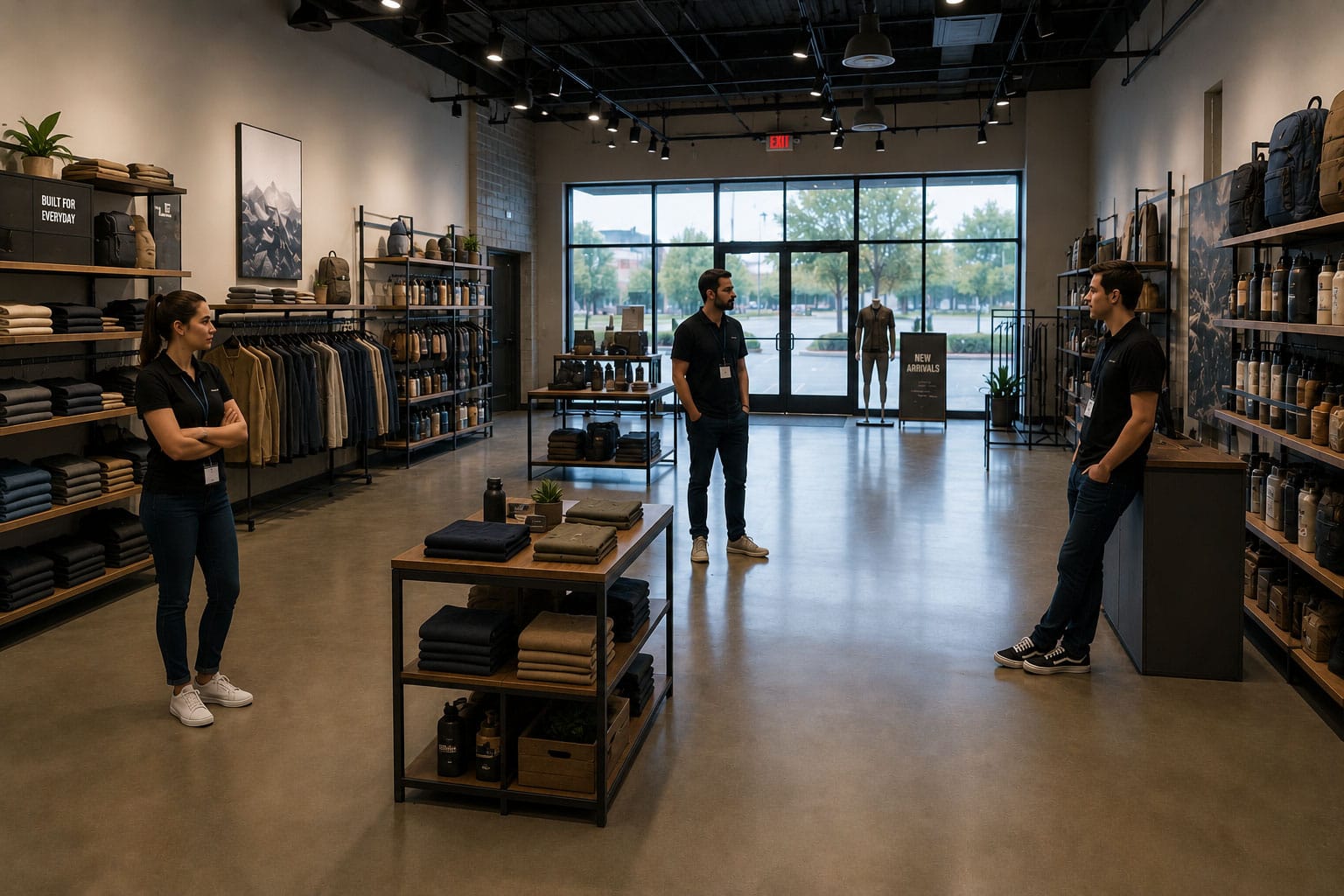
Most stores are staffed by habit, not by data. The same number of associates clock in at 10 a.m. on a dead Tuesday as on a packed Saturday afternoon, because that's how the schedule has always looked. The cost of that habit is bigger than it feels: stores are mis-staffed roughly 86% of the time, either paying for idle hours or losing sales because nobody was on the floor when shoppers showed up.
Retail staffing optimization fixes that gap, and it doesn't require a new POS system or a workforce-management overhaul. It requires one thing you may not have yet: an accurate count of when people actually walk through your door. Once you can see your foot traffic by hour and day, the schedule almost rewrites itself.
Here are five adjustments you can make this week.
1. Match your shift starts to your real open-to-peak curve
Pull your foot traffic for the last four weeks and look at the shape of the day, not the total. Most stores have a slow first hour, a midday build, and one or two clear peaks. If your full team arrives at open but your traffic doesn't peak until 1 p.m., you're paying for three quiet hours every morning.
Stagger your shift starts to track the curve. Bring one or two people in at open to handle setup and early shoppers, then layer in the rest of the team an hour ahead of your peak so the floor is covered when it counts.
2. Protect your peak hours, even if it means thinning the slow ones
Your peak hours are where conversion is won or lost. When a store is understaffed during its busiest window, shoppers wait, give up, and leave without buying. That's the revenue leak hiding in your conversion rate, and it can run $5,000 to $7,000 a month per location when conversion slips.
If adding hours isn't an option, move them. Pull coverage from your slowest, lowest-traffic hours and shift it into the peak. The same labor budget, placed where the shoppers are, almost always lifts sales more than spreading it evenly across the day.
3. Fix the day-of-week mismatch
Hourly patterns get the attention, but day-of-week mismatches quietly waste just as much. A lot of stores run a flat weekly schedule when their traffic is anything but flat. If Thursday brings 40% more shoppers than Monday but both days have the same headcount, you're over-covered on Monday and stretched thin on Thursday.
Compare your traffic day by day across a few weeks and rebalance. This is one of the fastest wins because it doesn't touch your total hours at all, it just moves them to the days that earn them.
4. Staff to conversion, not just to traffic
Traffic tells you when people arrive. Conversion tells you whether your team is turning those visits into sales. When you put the two side by side, understaffing shows up clearly: traffic holds steady but conversion dips during a specific window, usually because there aren't enough associates to help everyone.
If you don't track conversion yet, start with your store's conversion rate and watch it by hour. A simple conversion dashboard makes the understaffed hours obvious, so you can add coverage exactly where it pays for itself.
5. Brief your team with the numbers, not just the schedule
A schedule tells people when to show up. The traffic numbers tell them why. When associates know that Saturday between 1 and 4 is the make-or-break window, they plan their breaks and restocking around it instead of through it.
Share a quick weekly read on your busiest windows in your team huddle. It turns staffing from a top-down schedule into something the whole floor understands and can defend when it gets busy.
How to get the traffic data without the headache
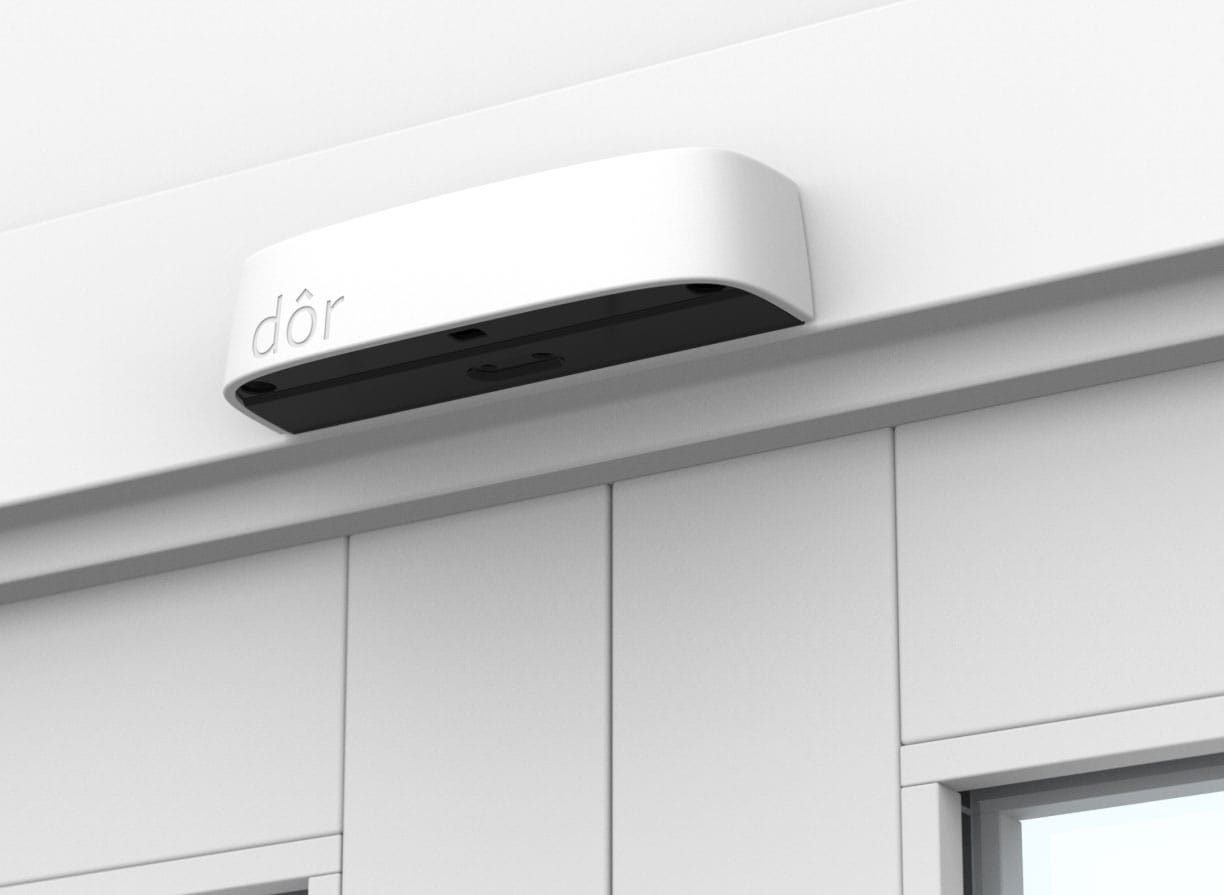
Every move above depends on accurate, hour-by-hour foot traffic, and that's exactly what most stores are missing. Manual clicker counts and guesswork won't cut it, and camera systems bring IT and privacy baggage many operators don't want.
This is where Dor fits in. A peel-and-stick thermal sensor counts everyone who walks in with camera-matching accuracy, no wiring, no IT, and no personal data captured. It runs across 2,000+ stores and feeds you the hourly and daily traffic patterns that make all five of these adjustments possible. For a deeper look at reading those patterns, start with our complete guide to foot traffic analytics.
You don't need a bigger labor budget to staff smarter. You need to see your store's real rhythm, then move your existing hours to match it. Start with one of these adjustments this week, and let the traffic tell you where the next one should go.