There's a stretch of summer when your door swings more in six weeks than it does in most of the quarter — and then, almost overnight, it stops.
That's the back-to-school window. It's the second-biggest retail season of the year, behind only the winter holidays, and it's worth an eye-watering amount of money. In 2025, American families spent a combined $142.9 billion getting kids and college students ready for the school year — $39.4 billion from K-12 households and a record $103.5 billion from college shoppers, according to the National Retail Federation.
But here's what makes back-to-school genuinely different from the holidays: the window is short, it's moving earlier, and it slams shut fast. Miss it, misread it, or understaff it, and you don't get a do-over until next July.
If you run an apparel shop, an electronics store, a shoe department, an office-supply aisle, a sporting goods floor, or any specialty retail concept, this is the season where a few well-timed decisions — or a few missed ones — echo across your entire fall.
The season isn't in August anymore
Ask most people when back-to-school shopping happens and they'll say August. They're increasingly wrong.
By early July, 67% of back-to-school shoppers had already started buying, per NRF. Roughly half say the bulk of their shopping now happens in July, pulled forward by summer sales events — Prime Day, Target Circle Week, Walmart Deals. A striking 82% of shoppers deliberately time their purchases around those events. The season now has two peaks: an early-July sales spike and the traditional back-to-August rush.
And that August rush is compressed into just a few days. Traffic analytics firms tracked median foot traffic peaking in the second half of August, hitting +3.6% year-over-year in the single week of August 10 last year — with Saturdays drawing the largest crowds of the entire season. The exact peak even shifts by region: shoppers in the South and West surge in early August, the Midwest a week later, and the Northeast doesn't fully crest until late August.
Translation: your busiest, highest-stakes selling days are a handful of specific Saturdays — and which Saturdays depends on where your store is. If you're staffing off last year's gut feeling or a national calendar, you're almost guaranteed to be over-staffed on the quiet days and under-staffed on the ones that actually pay the bills.
Fewer trips, higher stakes per visit
Here's the twist that makes measurement matter more than ever. Shoppers are making fewer store trips but spending more per trip. They research online, wait for the deal, consolidate their list, and then show up ready to buy — often just once.
That changes the math on every visitor who walks in. When a shopper is making four casual trips, a missed sale is a minor blip; they'll be back. When they're making one loaded-up back-to-school run, a long checkout line, an out-of-stock size, or a floor with nobody to answer a question isn't a blip — it's the whole basket, gone to a competitor. During a short window with high-intent, low-frequency shoppers, conversion rate is everything.
Let's walk through how that window hits each type of retailer.
Apparel: the wardrobe reset with a deadline
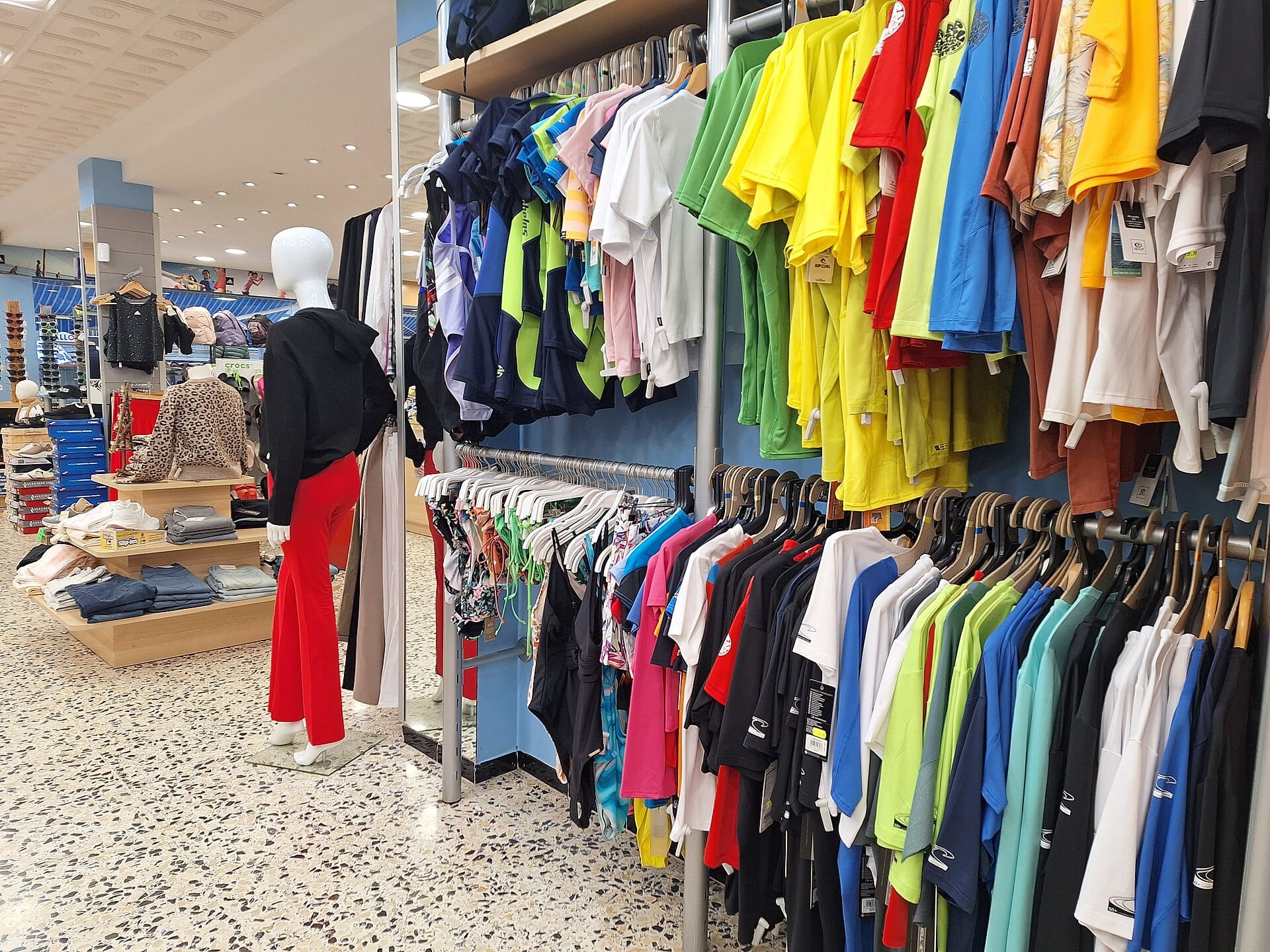
Back-to-school is a wardrobe event. K-12 families budget about $249 on clothing and accessories (an $11.4 billion category), and college shoppers add another $11.1 billion on top. Kids need a new look for a new grade, and there's a hard deadline: the first day of school.
That deadline is your friend and your enemy. Demand is concentrated and urgent — but so is your competition's. The apparel shopper walking in on the second Saturday of August has a list, a budget, and limited patience. Whether they leave with two outfits or five comes down to fitting-room availability, floor coverage, and how fast they can check out. Knowing exactly when your traffic peaks lets you put your best associates on the floor at the right hours instead of spreading them thin all month.
Electronics: the biggest basket in the building
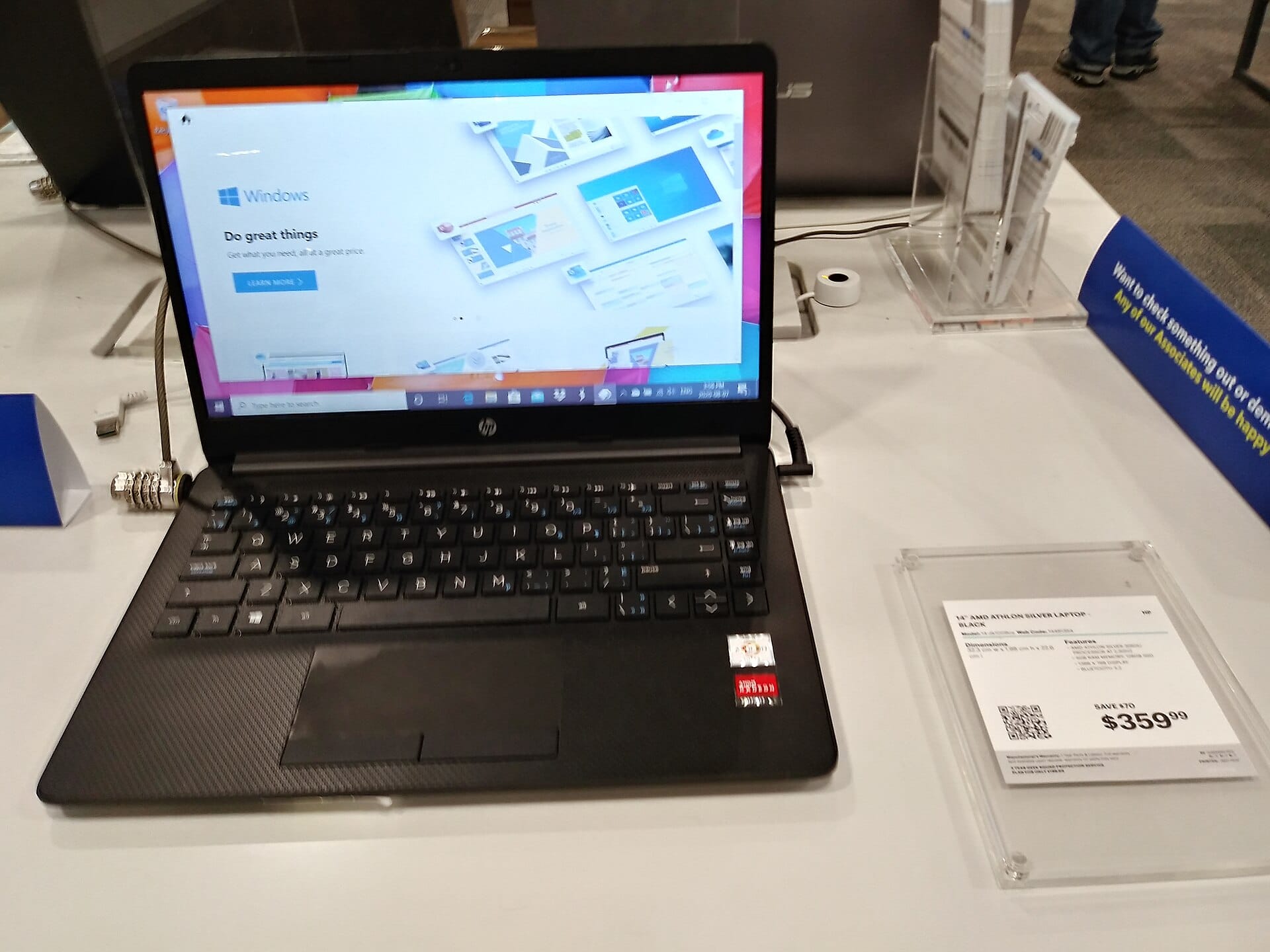
Electronics is the single largest back-to-school category — $295 per K-12 family and $309 per college student, adding up to more than $34 billion combined. Laptops, tablets, headphones, dorm tech: high price tags, high margins, and high consideration.
These are not impulse buys. Electronics shoppers do their homework online, then come in to see the product, ask a question, and pull the trigger. That makes floor expertise during peak hours decisive. One knowledgeable associate available at the right moment can be the difference between a $1,200 laptop sale and a shopper who says "let me think about it" and orders from someone else that night. When your basket sizes are this big, even a small swing in conversion during the peak weeks moves real money.
Footwear: the toughest window of all
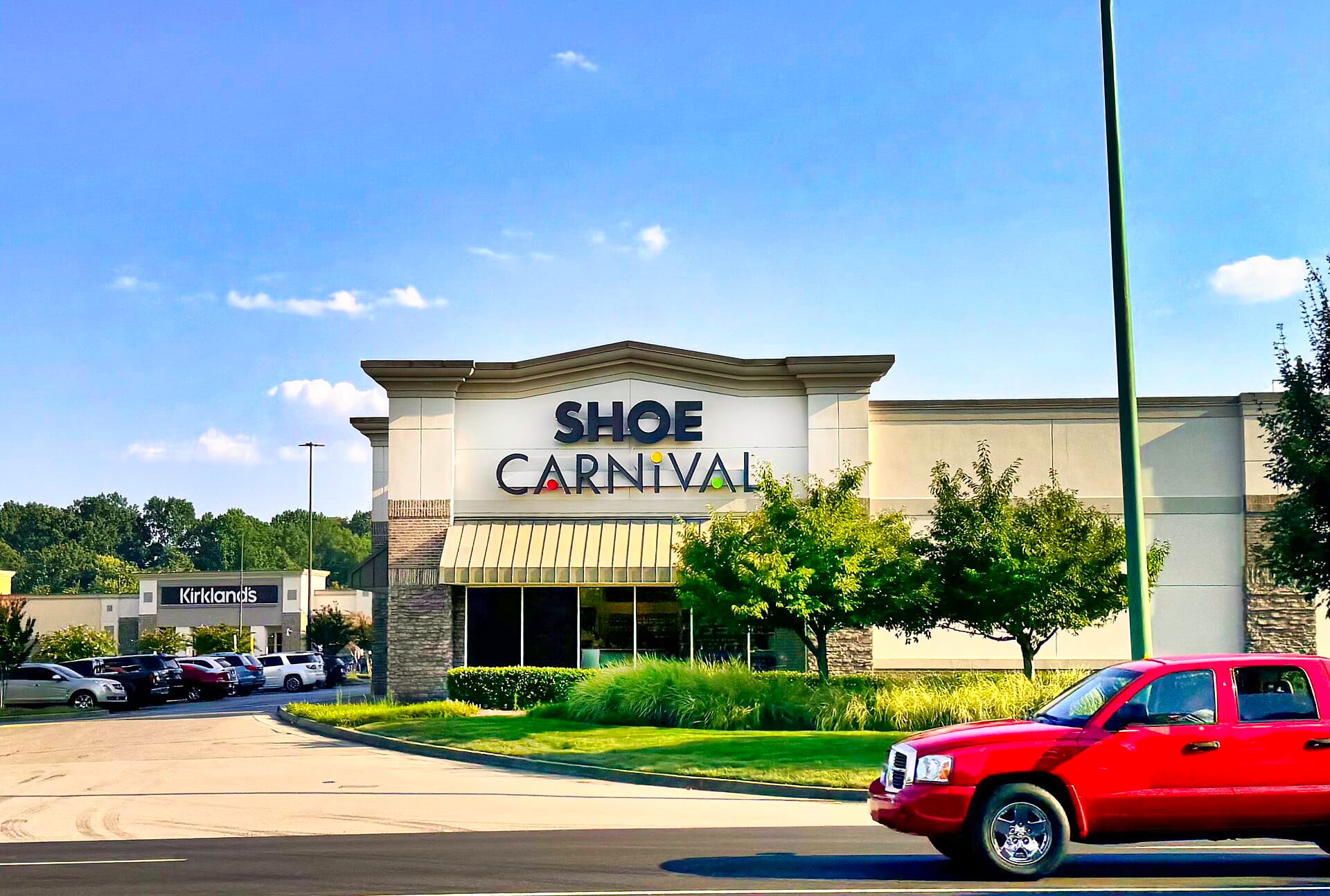
Shoes are a guaranteed back-to-school purchase — kids' feet grow, cleats wear out, and families spend roughly $169 on footwear ($7.8 billion). And yet shoe stores had the hardest season of any category last year, with foot traffic dropping as low as -16.9% year-over-year at points during the season.
That's the paradox of footwear: strong intent, brutal competition. Shoppers can buy shoes anywhere — apparel chains, big boxes, online. So when a footwear shopper does walk into your store, converting them is non-negotiable. You need the sizes in stock, staff on the floor to measure and fetch, and a checkout that doesn't punish them for waiting. Losing a shoe shopper to a line isn't just a lost sale; in a shrinking-traffic category, it's a lost customer.
Office & school supplies: high volume, thin margins, zero room for error
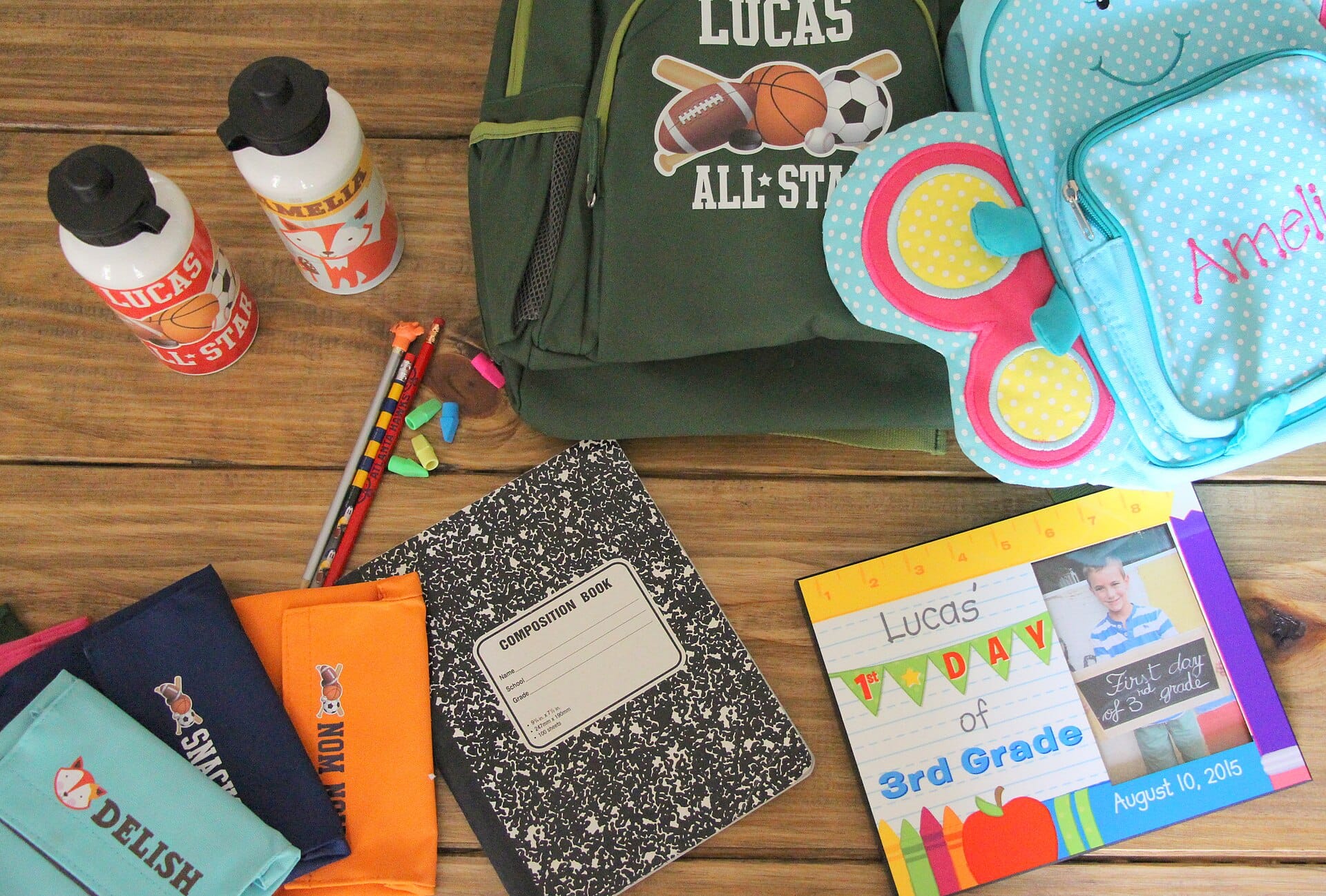
Notebooks, backpacks, pens, binders — the classic back-to-school run. K-12 families spend about $144 on supplies ($6.6 billion), and while individual margins are thin, the traffic is enormous and predictable. Supplies are the category that gets shoppers in the door on those peak Saturdays.
The opportunity isn't the pencils — it's everything else in the basket. Supply shoppers are your highest-volume visitors during the window, which makes them your best chance to attach higher-margin items and turn a $30 supply run into a $90 basket. But that only works if the store is staffed to keep lines short and shelves full when the crowd hits. High volume with thin margins means operational precision isn't optional.
Sporting goods: the fall-sports on-ramp
Back-to-school and back-to-sports arrive together. Cleats, pads, water bottles, team gear — fall sign-ups drive a wave of demand, and sporting goods stores saw traffic tick up month-over-month heading into the season. It's a more spread-out window than apparel, running from tryouts through the first weeks of the season, but it's just as time-boxed: nobody buys soccer cleats in October.
The play here is matching staff and stock to the sport calendar in your area, not the retail calendar. When local leagues hold sign-ups and equipment nights, your traffic spikes — and those spikes are highly local. Seeing them clearly is the whole game.
Specialty retailers: your one shot to win the year
For specialty and independent retailers — the boutiques, the single-category shops, the local mainstays — back-to-school is disproportionately important. You don't have a national marketing budget or a hundred locations to average out a bad week. You have a window, a neighborhood, and a handful of peak days to capture shoppers who are actively spending.
That's actually an advantage, if you can see clearly. A single store that knows precisely when its traffic peaks, how many browsers convert to buyers, and whether last Saturday's promotion actually drove more feet through the door can out-maneuver a big-box competitor that's managing to a spreadsheet average. The edge isn't budget. It's knowing your own door.
You can't manage a window you can't see
Every one of these retailers faces the same three questions during the back-to-school window, and every one of them is a foot-traffic question:
When exactly do we peak? Not nationally — at this store. Staffing to your actual traffic curve, by hour and by day, means your strongest team is on the floor for those specific August Saturdays instead of scattered across slow mornings.
Are we converting the traffic we're getting? In a fewer-trips, bigger-baskets season, the percentage of visitors who actually buy is the metric that decides your fall. If 300 people came in Saturday and 60 bought, that's a number you need to see — and improve — while the window is still open, not in a post-mortem in September.
Is our marketing actually working? You ran a back-to-school promotion, sent the email, posted the sale. Did more people walk in? Without counting traffic, you're guessing whether the spike in sales came from more visitors or just bigger baskets — and you'll spend next year's budget on the same guess.
This is exactly what Dor was built for. Dor's thermal sensor counts every person who walks through your door automatically — no clicker, no staff pulled to the entrance during your busiest hour. It shows you your traffic patterns by hour and day, connects to your POS to reveal your conversion rate, and lets you see whether that back-to-school promo actually moved feet. The sensor ships in days and installs in minutes — which means if you order now, you'll be counting well before the window opens.
Back-to-school isn't a season you can coast through and fix later. It's six weeks that set the tone for your fall — and the retailers who win it are the ones who stopped guessing and started counting.
The window is about to open. Make sure you can see it.