Dor vs RetailNext · Updated July 2026

Dor vs RetailNext: A Side-by-Side Comparison for Retailers

RetailNext is an enterprise retail-intelligence platform built on its camera-based Aurora sensor and a full shopper-journey and loss-prevention stack. Dor is a thermal people counter with a conversion-rate dashboard and a five-minute, camera-free install.

Quick answer: Pick Dor if you mainly want to count foot traffic and see conversion rate. It uses no cameras, installs in about five minutes, and connects to Shopify, Square, and Lightspeed on its own.

Pick RetailNext if you run a large chain and want more than counting — in-store shopper tracking, loss prevention, and analytics your BI team can plug into.

At-a-glance comparison

Scroll horizontally to see all columns →

Dor RetailNext
Sensor type Thermal — no camera, no images Aurora — camera-based IoT device with a Sony megapixel sensor, 3D imagery, and deep-learning fusion1
Install model Peel-and-stick, self-install in about 5 minutes Ceiling-mount with IEEE 802.3af PoE (Power over Ethernet) and Cat5e/6 cabling2
Connectivity Cellular by default; Wi-Fi supported Wired Ethernet + PoE; outbound TCP 8278 to the RetailNext cloud3
Software platform Dor dashboard (cloud): traffic, conversion, heatmaps RetailNext platform / Traffic 3.0 — Traffic Analytics, Shopper Journey, Loss Prevention with POS exception reporting4
Native POS integrations Shopify, Square, Vend / Lightspeed Lightspeed documented; broader connectors via APIs and BI pipelines5
Privacy posture No customer images captured Camera-based; RetailNext’s privacy hub says it "analyzes live video from cameras" and video "can be recorded and is usually available for playback"6
Pricing Published on the Dor pricing page Not publicly disclosed; quote-only7
Typical customer Single-store boutiques through mid-market chains (1–500 stores) "More than 560 retailers in over 100 countries"; brands include Macy’s, Sephora, Ulta Beauty8
Ownership Independent Battery Ventures majority growth investment (Jan 2025); acquired Ipsos Retail Performance (Nov 2022)9

Methodology. No vendor paid for placement. RetailNext facts come from public press releases, product pages, install docs, and its own privacy hub. Numbered references link to sources in the footer. We update this page when RetailNext ships material changes or a reader flags an error.

The case for RetailNext

RetailNext was founded in 2007 in San Jose, California. It runs one of the deepest retail-analytics platforms on the market. Recently it took a majority investment from Battery Ventures (Jan 2025), launched Traffic 3.0 with Passby, group counting, occupancy, and staffing recommendations, and acquired Ipsos Retail Performance (Nov 2022).

RetailNext is a strong enterprise choice if you are a retailer that:

  • runs 50+ stores and needs Aurora’s full stack — traffic, shopper journey, loss prevention, and POS exception reporting,
  • has a tech team to manage a wired install across every store,
  • wants analytics piped into BI tools like Tableau, Power BI, or Looker, and
  • is comfortable running cameras under a documented GDPR notice.

Traffic 3.0 and the Battery Ventures deal show RetailNext is investing heavily at the enterprise end.

When Dor is the better fit

Dor isn’t a full retail platform. We make one product: a thermal people counter with a clear conversion-rate dashboard a store manager can install without IT. That trade-off works for you when:

  • You don’t need shopper-journey tracking, loss prevention, or video analytics. You need accurate foot traffic and conversion at every door.
  • You can’t run cabling and a network drop at every doorway. RetailNext’s Aurora V2.2 install guide requires Power over Ethernet and a ceiling mount.
  • You want no cameras and no recorded video, so you skip the customer-notice and impact-assessment work a camera system brings.
  • You want to see pricing on a web page, not fill out a form. RetailNext’s pricing page is quote-only; Dor’s is a public pricing page.
  • You’re on Shopify, Square, or Vend / Lightspeed and want the POS to connect on its own, not a data project.

Where each tool wins

Install

Dor

Battery-powered, cellular by default. A store manager mounts the sensor above the door in about five minutes. No electrician, no network drop, no IT ticket.

RetailNext

Aurora is a ceiling-mounted camera. It needs wired power and network cabling at every doorway, plus an open connection to the RetailNext cloud. That usually means booking an electrician or IT contractor. RetailNext’s own docs assume a professional install; there’s no self-install option.

This is the biggest practical difference between the two. Retailers who look at both often find the Aurora install alone costs more than a full first year of Dor.

Privacy

Dor

Thermal sensor. No customer images are captured, processed, or stored. A thermal silhouette doesn’t carry the details that make data personal under GDPR Article 4 or the CCPA. So thermal counters usually skip the customer-notice and data-request work camera systems require. Confirm with your own counsel.

RetailNext

Aurora is camera-based. RetailNext’s privacy hub says the platform "analyzes live video from cameras" and that video "can be recorded and is usually available for playback." You can configure anonymization and retention, and there’s a separate EU GDPR privacy notice. It works, but it means customer-notice and impact-review work a thermal counter doesn’t.

Software & integrations

Dor

A focused dashboard: hourly and daily foot traffic, conversion rate when a POS is connected, and peak-hour and day-of-week heatmaps. Native POS integrations with Shopify, Square, and Vend / Lightspeed. Once the POS is linked, conversion rate is calculated for you.

RetailNext

A much broader platform. Traffic 3.0 covers Passby, group counting, occupancy, and staffing recommendations. Shopper Journey tracks movement inside the store, and Loss Prevention pairs POS exceptions with video. RetailNext publishes APIs and integrates with Lightspeed, but doesn’t advertise a native Shopify or Square connector. BI usually runs through third-party pipelines.

If you want every data source under one roof, RetailNext does more. If you want store traffic next to your Shopify data tomorrow, Dor is more direct.

Pricing

Dor

Published on Dor’s pricing page: per-location pricing, no multi-year contract required.

RetailNext

Not publicly disclosed. The pricing page sends you to a quote tool. No list price, per-store fee, or contract term is shown. Ask RetailNext directly, then compare against published Dor pricing.

Who each is built for

Dor

Single-store boutiques through mid-market chains. Customers run from one location to several hundred.

RetailNext

Mid-market to enterprise, mostly brand-name multi-store retail. The "more than 560 retailers in over 100 countries" claim is on RetailNext’s homepage; named customers include Macy’s, Sephora, Ulta Beauty, Calvin Klein, and The Container Store.

How to switch from RetailNext to Dor

A common path for retailers who want focused traffic and conversion, not the full platform:

  1. Pilot 3–5 stores side by side.

    Mount Dor next to your Aurora cameras for 30 days. Compare the foot traffic counts and conversion rate. Most retailers find the counts match within normal variance.

  2. Confirm privacy with your legal team.

    Moving from camera to thermal usually makes the customer-notice story simpler, not harder.

  3. Connect your POS.

    On Shopify, Square, or Vend / Lightspeed, the Dor integrations connect in minutes and calculate conversion for you — no data pipeline.

  4. Roll out the rest.

    Switch stores over as your RetailNext contracts come up for renewal. No need to break a working contract early.

Book a 20-minute demo and we’ll walk through pilot setup with your store’s real numbers.

See Dor next to your Aurora cameras

The best way to compare two people counters is to run them side by side in one of your stores for a month. We’ll help you set up the pilot, talk through your RetailNext contract, and show conversion rate from your real POS data.

Ready to buy? Complete your purchase in just minutes.

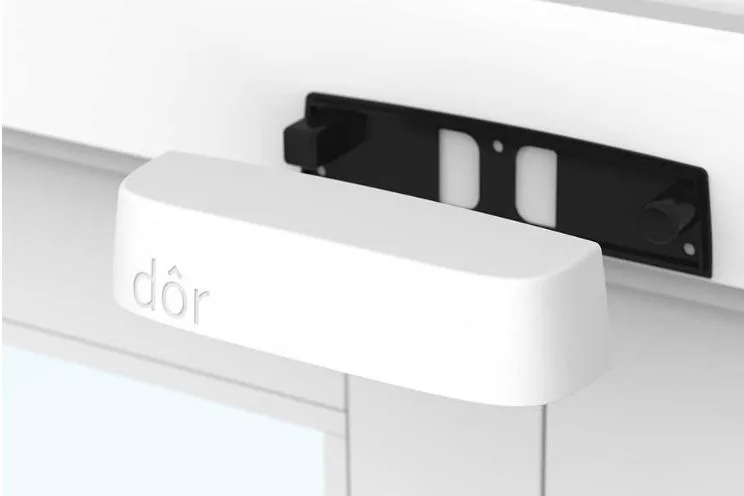
Dor thermal people counter mounted above a store door — no cameras, no images
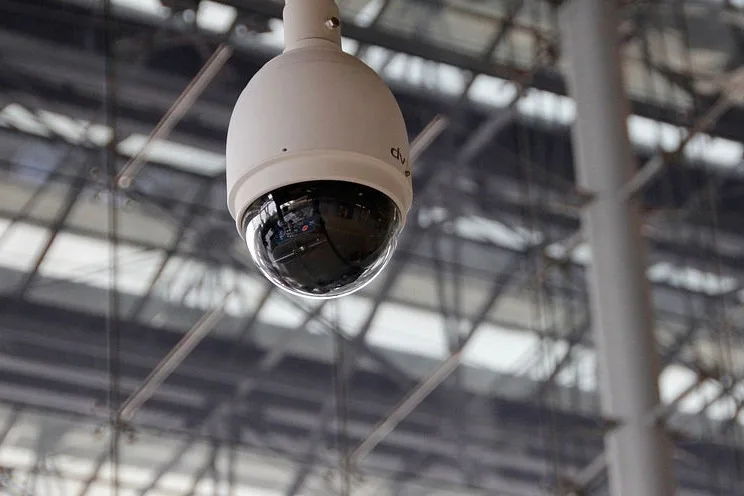
A ceiling-mounted camera counter — the install model RetailNext uses and Dor avoids

Frequently asked questions

1

Is Dor a real alternative to RetailNext?

If your main need is foot traffic and conversion rate, yes. RetailNext does more: it tracks how shoppers move through the store, pairs loss prevention with POS exceptions, and offers a deep API for enterprise BI. If you only need traffic and conversion at the door, Dor is a solid alternative. If you need the whole platform, it isn’t.

2

How does Dor’s accuracy compare to RetailNext Aurora?

We don’t publish single-decimal accuracy figures. Dor and Aurora are both solid counters that land in about the same range in real stores. Published differences usually come down to the test setup: door type, traffic volume, and how group entries are counted. The honest test is a 30-day side-by-side pilot in one of your own stores.

3

Does Dor record video like Aurora?

No. Dor is a thermal sensor: no images, no video, no facial data. Aurora is a camera and, per the RetailNext privacy hub, can record video that is "usually available for playback." Retention and blur controls are documented, but the sensor difference is the real difference.

4

Will Dor work without Wi-Fi or a wired network?

Yes. Dor connects over cellular by default, with no base station and no cabling. Wi-Fi is supported but optional. Aurora requires Power over Ethernet, per the Aurora V2.2 install guide.

5

Can I see Dor pricing without talking to sales?

Yes, it is published on the Dor pricing page. RetailNext’s pricing is quote-only, with no list price or contract terms published.

6

Does RetailNext integrate with Shopify or Square?

RetailNext publishes a Lightspeed integration and offers APIs for transaction upload, but doesn’t advertise a native Shopify or Square connector on its product pages. Dor has native integrations with Shopify, Square, and Vend / Lightspeed, and calculates conversion rate for you once the POS is linked.

7

Who owns RetailNext?

Battery Ventures took a majority growth investment in RetailNext in January 2025; the amount is not disclosed. RetailNext also acquired Ipsos Retail Performance in November 2022, expanding its UK footfall presence.

8

Is RetailNext the same as ShopperTrak?

No, they are separate vendors. RetailNext is independent, with Battery Ventures as majority growth investor. ShopperTrak is part of Sensormatic Solutions, owned by Johnson Controls. Dor publishes a separate Dor vs ShopperTrak comparison if you are evaluating both.

About this comparison page

Sources

  1. RetailNext, Aurora product page.
  2. RetailNext, Aurora V2.2 Installation Guide.
  3. RetailNext, Network Requirements docs.
  4. RetailNext, Traffic 3.0 press release (Jan 13, 2025); Traffic product page.
  5. Lightspeed, RetailNext integration; RetailNext, API docs; Technology Partners.
  6. RetailNext, Privacy hub; EU GDPR Privacy Notice.
  7. RetailNext, pricing page (quote-only confirmation).
  8. RetailNext, homepage (560+ retailers, 100+ countries); FeaturedCustomers (named brand references).
  9. RetailNext, Battery Ventures investment press release (Jan 6, 2025); Ipsos Retail Performance acquisition press release (Nov 14, 2022); Crunchbase profile.

About the author

Written by the Dor Team — the people who build and support Dor’s thermal people counter for retail. Where we make a claim about RetailNext we link to the source; where we make a claim about Dor we name the trade-off. Spot an error? Contact us and we’ll fix it.

Empower your business today

Grow your retail business by understanding your in-store traffic, peak hours, conversion rates and marketing effectiveness.